
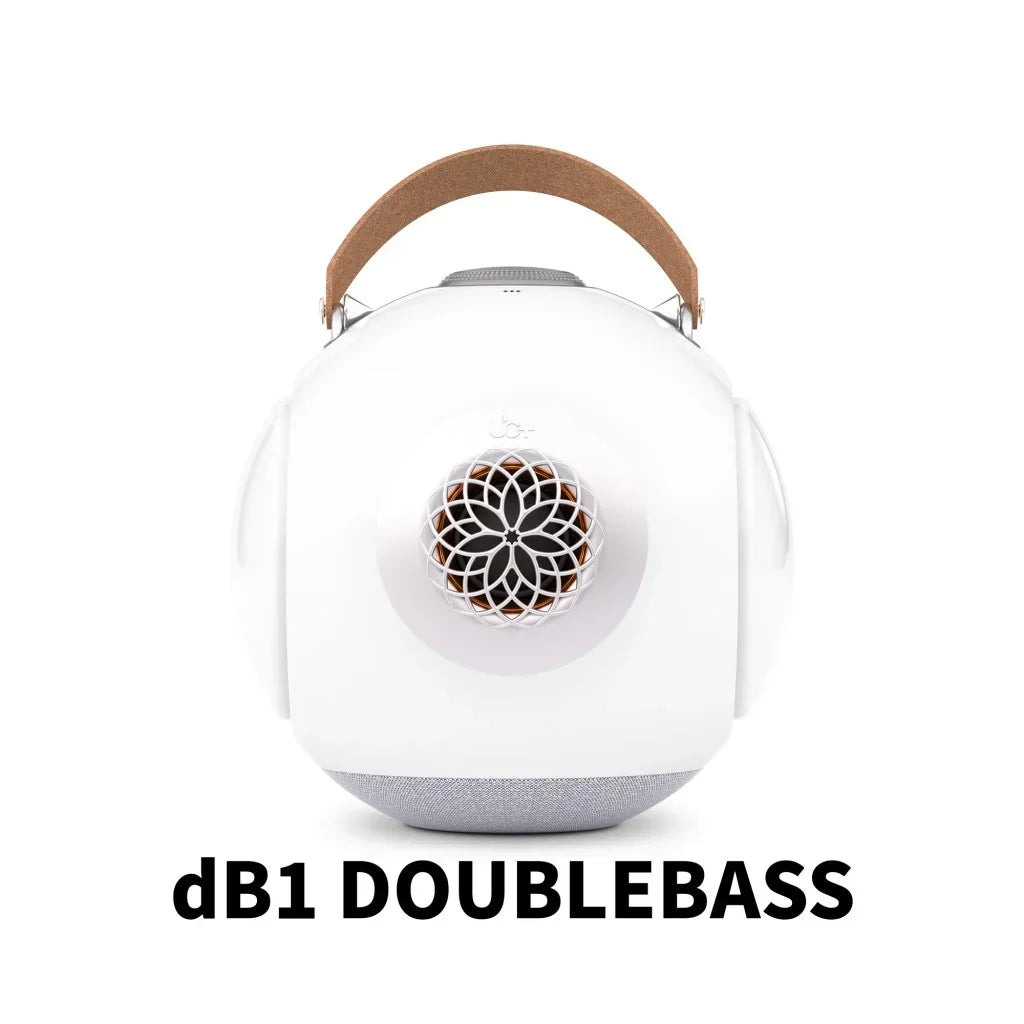
Walk into any electronics store and most speakers begin to look the same.
Rectangular cabinets. Black plastic finishes. Oversized bass claims. Flashy RGB lighting. Aggressive marketing around wattage and loudness. Many modern audio products are designed to compete for attention quickly rather than create a long-term listening experience.
At the same time, a different category of audio products has grown steadily in popularity: designer speakers.
These speakers are not positioned only as electronics. They are treated as part of the home itself. Their materials, form, acoustics, and visual presence are designed to coexist with architecture, furniture, and lifestyle rather than hide behind a television or sit forgotten on a shelf.
This raises an important question for buyers:
Are designer speakers actually better, or are you simply paying more for aesthetics?
The answer is more nuanced than most people expect.
In many cases, premium speaker design is not just visual. The best designer audio systems improve:
- acoustic performance
- cabinet stability
- resonance control
- sound dispersion
- long-term listening comfort
- durability
- placement flexibility
When done correctly, industrial design directly affects how a speaker sounds.
This is especially true in modern premium categories such as:
- best portable bluetooth speaker
- high end bluetooth speaker
- audiophile wireless speakers
- compact wireless home audio
- modern lifestyle speaker systems
In this guide, we will compare designer speakers and regular speakers across:
- materials
- acoustic engineering
- longevity
- sound quality
- lifestyle integration
- ownership experience
- value over time
We will also explain why modern acoustic companies increasingly use curved and spherical enclosures, premium materials, and resonance-focused engineering to create speakers that sound as refined as they look.
What Is a Designer Speaker?
A designer speaker is not simply a speaker with a stylish exterior.
True designer audio products combine:
- industrial design
- acoustic engineering
- material science
- interior integration
- long-term usability
into one unified product philosophy.
Unlike conventional mass-market speakers that prioritize manufacturing efficiency above all else, designer speakers are often built around the listening experience itself.
This means:
- enclosure shape matters acoustically
- materials are selected carefully
- visual proportions are intentional
- sound behavior inside real rooms becomes a priority
The result is a speaker that feels integrated into daily living rather than added afterward.
What Defines a Regular Speaker?
Most regular consumer speakers prioritize:
- low manufacturing cost
- maximum feature count
- retail competitiveness
- short-term showroom impact
This often leads to:
- plastic-heavy construction
- exaggerated bass tuning
- simplified enclosure engineering
- aggressive DSP boosting
- visually generic designs
Many still sound good for casual listening, but their focus is usually:
instant excitement rather than long-term refinement.
Why Materials Matter More Than Most Buyers Realize
Speaker materials are not only cosmetic.
Every material affects:
- vibration behavior
- resonance control
- cabinet rigidity
- sound coloration
- long-term durability
Cheap lightweight plastics flex more easily under pressure.
This creates:
- cabinet vibration
- distorted bass
- resonance noise
- reduced clarity
Premium materials behave differently.
Well-engineered designer speakers often use:
- reinforced composite structures
- dense acoustic shells
- precision-finished surfaces
- mechanically stable enclosures
These materials reduce unwanted movement so more acoustic energy becomes sound instead of vibration.
Why Cabinet Resonance Changes Sound Quality
One of the biggest differences between designer speakers and regular speakers is resonance management.
Most traditional box speakers contain:
- flat surfaces
- parallel walls
- internal reflection hotspots
These create:
- standing waves
- uneven bass
- phase distortion
- cabinet coloration
In many mass-market products, engineers compensate using aggressive digital correction.
But premium acoustic systems increasingly solve resonance physically through enclosure design itself.
Why Curved and Spherical Designs Sound Different
Spherical and curved speakers are becoming increasingly popular among premium audiophile wireless speakers for one reason:
Physics.
Unlike rectangular cabinets, spherical enclosures contain:
- no parallel internal walls
- smoother pressure distribution
- fewer standing waves
- more even resonance behavior
This creates sound that feels:
- cleaner
- more natural
- less fatiguing
- more immersive
especially during long listening sessions.
This is one reason many modern high end bluetooth speaker systems use rounded or sculptural forms instead of traditional rectangular boxes.
The Helmholtz-Inspired Acoustic Chamber Approach
Some advanced designer speakers use acoustic principles inspired by Helmholtz resonance.
Instead of forcing bass through oversized amplifiers or exaggerated DSP, these systems use controlled airflow inside the enclosure itself.
Benefits include:
- smoother bass extension
- cleaner harmonic reproduction
- reduced phase distortion
- more efficient low-frequency reinforcement
The enclosure becomes part of the acoustic system rather than just a container.
This philosophy creates bass that feels:
- deep
- controlled
- physical
- naturally integrated
instead of artificially boosted.
Why Passive Radiators Matter in Premium Compact Speakers
Many premium best portable bluetooth speaker systems now rely on passive radiators rather than conventional bass ports.
Passive radiators allow compact speakers to reproduce deeper bass without requiring oversized cabinets.
But implementation matters enormously.
Cheap passive radiator systems often create:
- rattling
- imbalance
- excessive vibration
- muddy bass
More advanced designs use:
- dual passive radiators
- symmetrical placement
- tuned air pressure systems
This creates:
- self-canceling vibration
- smoother low-frequency performance
- improved cabinet stability
- more efficient air movement
The result is bass that feels stronger without sounding bloated.
Designer Speakers vs Regular Speakers
|
Feature |
Regular Speakers |
Designer Speakers |
|
Enclosure Design |
Manufacturing-focused |
Acoustic + visual integration |
|
Materials |
Standard plastic |
Premium composites and finishes |
|
Resonance Control |
DSP-heavy correction |
Physical acoustic engineering |
|
Bass Tuning |
Aggressive boosting |
Controlled and balanced |
|
Visual Integration |
Functional |
Architectural |
|
Long Listening Comfort |
Variable |
Higher |
|
Longevity |
Moderate |
Often longer-lasting |
Why Long-Term Listening Comfort Matters
Many speakers sound impressive for the first five minutes.
Few remain enjoyable for several hours.
This difference is called listening fatigue.
Fatigue often comes from:
- harsh treble
- distorted bass
- cabinet resonance
- compressed dynamics
- uneven frequency balance
Designer speakers frequently prioritize:
- smooth tonal balance
- controlled resonance
- natural sound dispersion
- lower distortion
because they are intended to become part of daily life rather than temporary entertainment devices.
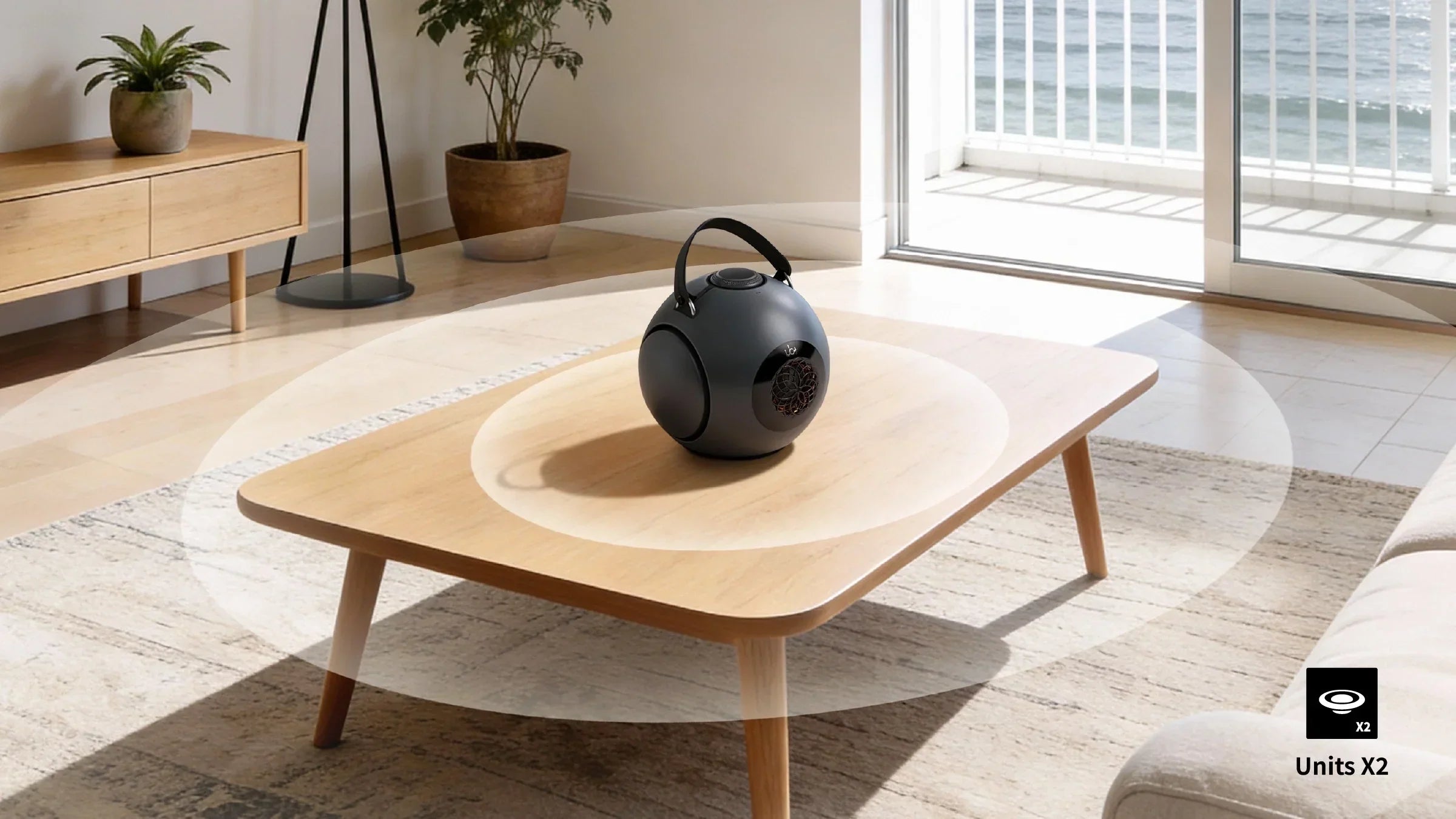
Why Sound Dispersion Is Important in Real Homes
Traditional directional speakers often create:
- narrow sweet spots
- uneven room coverage
- harsh reflections
Designer speakers increasingly focus on broader sound dispersion.
This matters because modern listeners:
- move around rooms
- work from home
- host guests
- use open-plan spaces
Broad dispersion creates:
- more natural room-filling sound
- less aggressive projection
- improved low-volume immersion
especially in apartments and smaller homes.
Why Smaller Premium Speakers Often Outperform Larger Cheap Speakers
Bigger does not automatically mean better.
A poorly engineered large speaker may still sound:
- muddy
- distorted
- boomy
Meanwhile, a carefully engineered compact system can create:
- cleaner bass
- better clarity
- smoother room interaction
- lower distortion
through:
- optimized airflow
- advanced driver tuning
- cabinet stability
- resonance management
This is why many modern best sounding bluetooth speaker systems remain surprisingly compact.
The Difference Between Digital Bass and Engineered Bass
Many regular consumer speakers rely heavily on DSP bass enhancement.
This creates:
- artificial impact
- exaggerated low frequencies
- temporary excitement
But often at the cost of:
- clarity
- balance
- long-term comfort
Premium designer systems increasingly prioritize mechanical acoustic engineering instead.
This includes:
- airflow optimization
- enclosure geometry
- passive radiator tuning
- controlled resonance
Instead of forcing bass artificially, the speaker allows air movement to amplify low frequencies naturally.
Why Industrial Design Improves Everyday Living
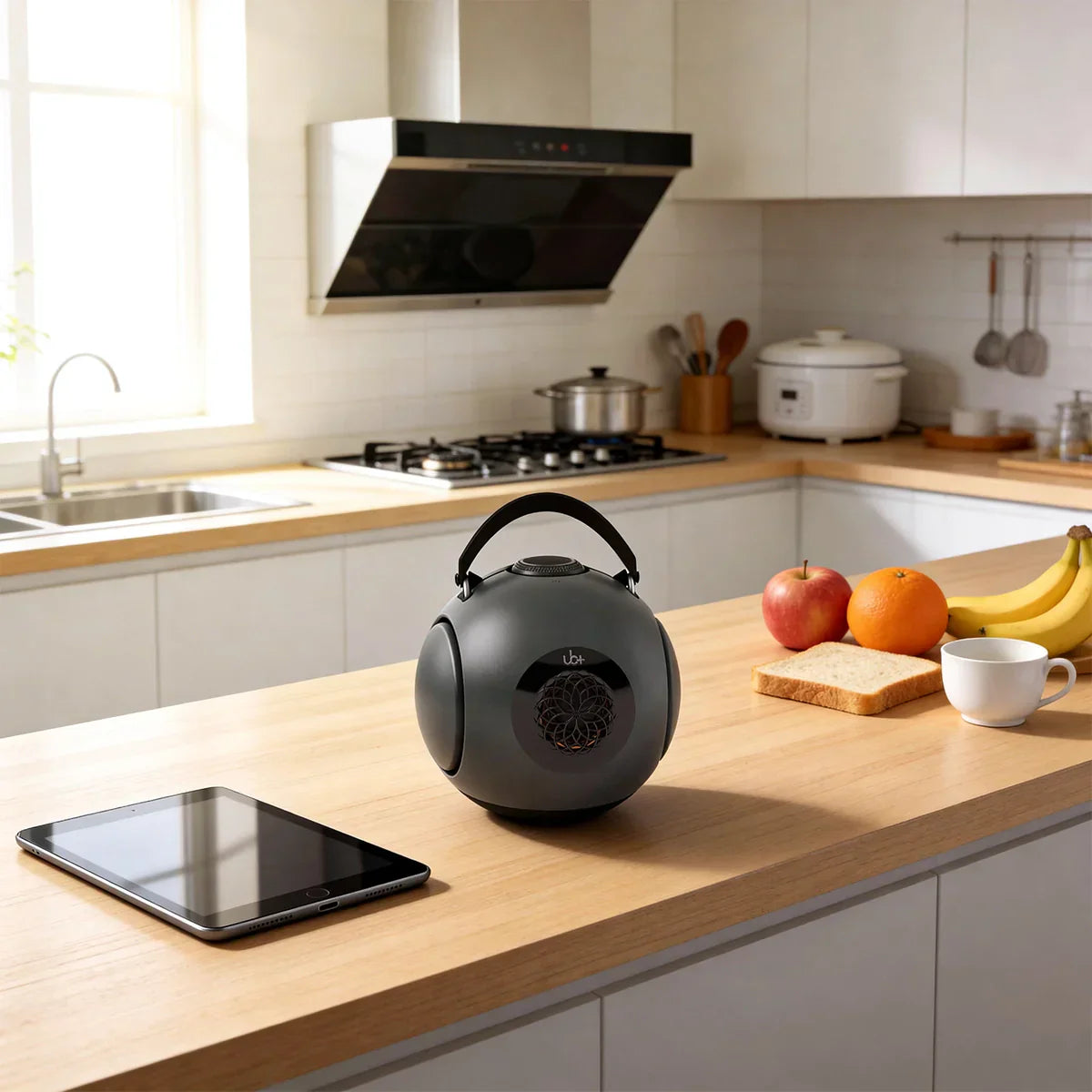
A speaker is no longer hidden in a corner.
Modern speakers sit visibly inside:
- living rooms
- bedrooms
- offices
- apartments
- open shelving
This changes how buyers evaluate products.
People increasingly want:
- visual calmness
- sculptural design
- premium finishes
- minimalist integration
A thoughtfully designed speaker becomes part of the room itself.
Why Premium Speakers Often Last Longer
Many regular speakers are designed around:
- fast production cycles
- trend-driven styling
- lower-cost components
Designer speakers often prioritize:
- timeless design
- premium construction
- higher-grade internal components
- longer ownership cycles
This changes value perception significantly.
A premium speaker may cost more initially but remain desirable and functional for many years.
Mass-Market Audio vs Premium Designer Audio
|
Feature |
Mass-Market Speaker |
Premium Designer Speaker |
|
Primary Goal |
Retail impact |
Long-term experience |
|
Bass Style |
Boosted |
Controlled |
|
Cabinet Behavior |
Vibrates more |
Stabilized |
|
Sound Character |
Aggressive |
Balanced |
|
Interior Integration |
Limited |
Excellent |
|
Durability |
Moderate |
Higher |
|
Ownership Experience |
Transactional |
Lifestyle-oriented |
Why Wireless Simplicity Matters Today
Modern listeners increasingly want:
- fewer cables
- cleaner setups
- flexible placement
- multi-room portability
A modern rechargeable bluetooth speaker allows:
- room-to-room movement
- balcony listening
- workspace flexibility
- uncluttered interiors
without sacrificing sound quality.
This is why premium wireless audio categories are growing rapidly.
The Rise of Audiophile Wireless Speakers
For years, serious audio enthusiasts avoided wireless products.
Bluetooth speakers were often associated with:
- compressed sound
- weak bass
- poor clarity
That has changed dramatically.
Modern audiophile wireless speakers increasingly combine:
- advanced codecs
- refined DSP
- premium drivers
- sophisticated acoustic chambers
with lifestyle-friendly simplicity.
Today, high-end wireless systems can deliver remarkably refined sound inside compact modern spaces.
Why Design and Acoustics Should Work Together
The best designer speakers succeed because:
- aesthetics support acoustics
- acoustics support usability
- usability supports lifestyle
Nothing feels forced.
This harmony creates products that remain satisfying long after the initial purchase excitement fades.
Why the Ownership Experience Matters
Buying audio is emotional.
People use speakers daily:
- while relaxing
- working
- reading
- entertaining guests
- watching movies
- cooking dinner
A good speaker becomes part of the emotional atmosphere of the home.
Designer speakers often feel more satisfying because every interaction visual, tactile, and acoustic was considered intentionally.
Why Cheap Speakers Often Age Poorly
Many budget speakers prioritize:
- trend-driven styling
- exaggerated sound signatures
- flashy features
These age quickly.
Aggressive tuning often becomes tiring.
Visually loud designs may stop fitting evolving interiors.
Premium minimalist designs tend to age more gracefully because they emphasize:
- balance
- simplicity
- material quality
- timeless proportions
instead of temporary trends.
The Importance of Controlled Bass in Modern Homes
Today’s living spaces are often:
- smaller
- more reflective
- apartment-based
- multi-functional
Overly aggressive bass becomes problematic quickly.
Premium speakers focus on:
- bass texture
- airflow control
- room integration
- low-frequency smoothness
instead of brute-force output.
This creates sound that feels larger without overwhelming the space.
Why Premium Audio Feels Effortless
One of the defining qualities of a premium high end bluetooth speaker is effortlessness.
Good sound should not feel strained.
Balanced systems create:
- spaciousness
- natural warmth
- stable imaging
- smooth dynamics
without requiring excessive volume.
This creates a calmer and more luxurious listening experience.
Are Designer Speakers Worth the Higher Price?
For some buyers, a regular speaker may be perfectly sufficient.
But for listeners who value:
- acoustic refinement
- visual design
- longevity
- room integration
- emotional atmosphere
- long-term comfort
designer speakers often justify their cost.
The value is not just in appearance.
It is in the combination of:
- engineering
- materials
- acoustic behavior
- daily usability
working together.
Who Benefits Most from Designer Speakers?
Designer speakers are especially valuable for:
- apartment dwellers
- minimalist interiors
- open-plan living spaces
- design-conscious buyers
- long-session listeners
- modern home offices
because they combine:
- sound quality
- visual calmness
- placement flexibility
- wireless simplicity
in one cohesive system.
Final Thoughts: Good Design Is Not Separate from Good Sound
The idea that speaker design is “just aesthetics” is outdated.
In modern premium audio, industrial design directly affects:
- resonance behavior
- airflow
- sound dispersion
- cabinet stability
- listening comfort
The best designer speakers succeed because they treat sound and form as one unified experience.
That is why many listeners eventually move from ordinary consumer speakers toward more refined systems.
Not because they want louder sound.
But because they want sound that feels:
- calmer
- deeper
- more natural
- more immersive
- more connected to everyday living
The best modern speakers are not just electronics.
They are part of the atmosphere of the home itself.
Frequently Asked Questions
1. Are designer speakers actually better than regular speakers?
Designer speakers can offer significant advantages in acoustic engineering, cabinet stability, material quality, and long-term listening comfort. Many premium systems also integrate better into modern interiors while reducing resonance and distortion.
2. What makes a high end bluetooth speaker different from a regular bluetooth speaker?
A high end bluetooth speaker typically uses better drivers, refined acoustic chambers, improved materials, advanced DSP tuning, and more controlled bass engineering. The result is cleaner, more balanced sound with less listening fatigue.
3. Do premium wireless speakers last longer?
In many cases, yes. Premium speakers are often built with higher-quality materials and more durable internal components. Their timeless industrial design also tends to age better visually than trend-focused budget products.
4. Are audiophile wireless speakers good for apartments?
Yes. Many audiophile wireless speakers focus on controlled bass, balanced sound dispersion, and low distortion, which often makes them better suited for apartments than oversized party speakers.
5. Is a rechargeable bluetooth speaker good enough for home listening?
Modern rechargeable bluetooth speaker systems can deliver surprisingly refined sound thanks to advances in acoustic engineering, passive radiator systems, and wireless audio technology. Many now compete directly with traditional home audio setups.
Explore Thoughtfully Designed Audio
→ Compare dB1 vs dB Mini
→ See color options
→ Check current price
Designed to sound balanced. Built to live beautifully inside modern spaces.


Hinterlasse einen Kommentar
Diese Website ist durch hCaptcha geschützt und es gelten die allgemeinen Geschäftsbedingungen und Datenschutzbestimmungen von hCaptcha.