
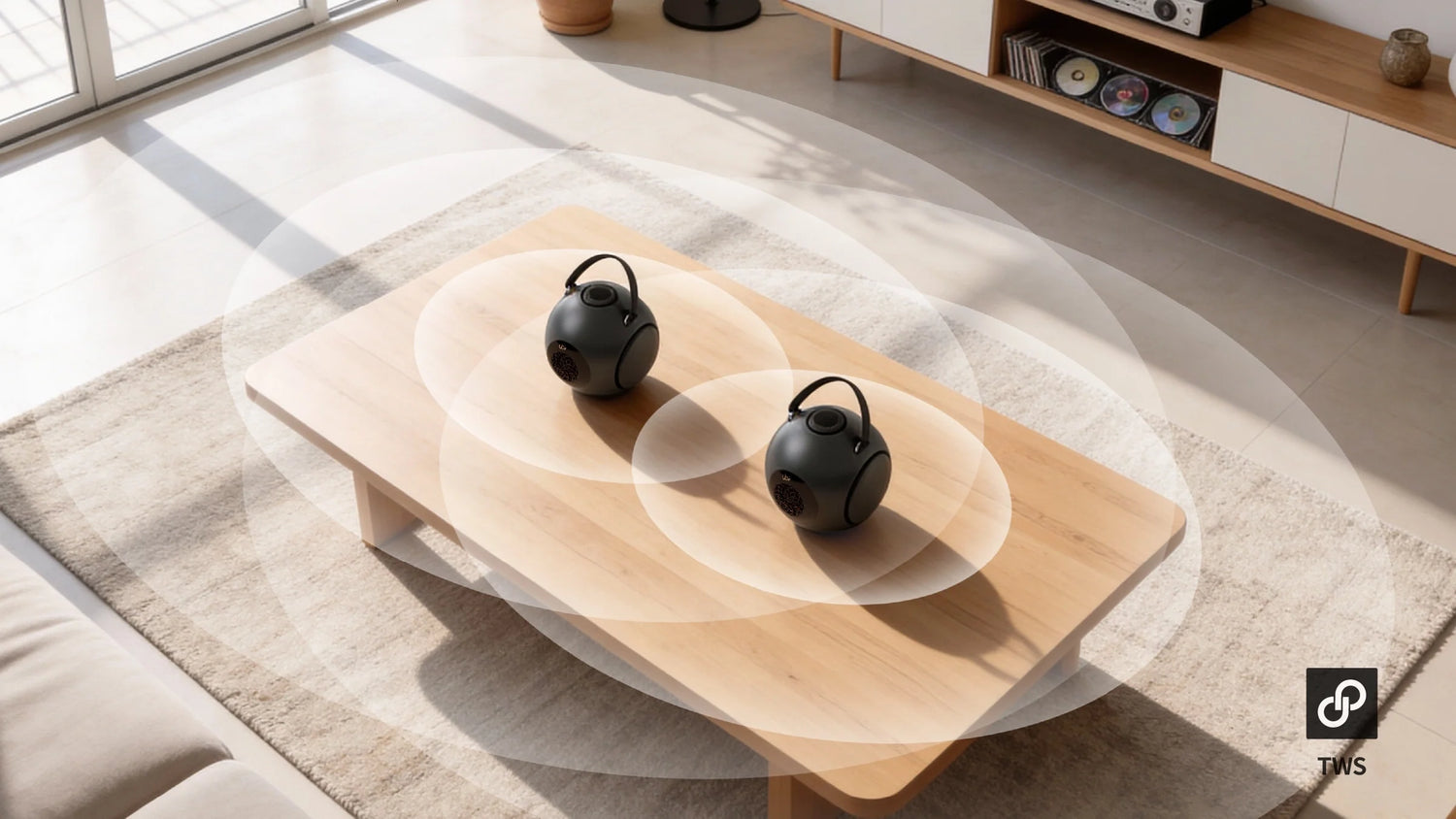
Most people experience a speaker only at the final stage.
It sits on a desk, shelf, or living room table. Music begins playing. Bass fills the room. The product feels finished, effortless, complete.
But long before a modern bluetooth speaker reaches someone’s home, it exists as hundreds of decisions balancing acoustics, industrial design, physics, materials, manufacturing, and human behavior.
The journey from concept sketch to finished listening experience is far more complex than most people realize.
Especially today.
Modern listeners expect a single speaker to do everything:
- function as a portable bluetooth speaker
- deliver deep bass without a subwoofer
- work as a stylish design object
- provide room-filling sound
- remain compact and wireless
- integrate naturally into modern living spaces
This has transformed speaker design into a multidisciplinary process where engineering and lifestyle design must work together from the very beginning.
This article explores how a modern wireless bluetooth speaker is actually designed from the earliest sketches to acoustic testing, prototyping, tuning, and final production and why the best products are shaped as much by physics as aesthetics.
The First Step: Defining the Listening Experience
Every speaker begins with a question:
“How should this product make people feel?”
That question matters more than specifications.
Because the goal of modern speaker design is not simply loudness. It is creating an experience.
Some speakers are designed for:
- travel
- desk listening
- movies
- outdoor gatherings
- background ambiance
- focused music sessions
The intended use shapes every engineering decision afterward.
Modern Speaker Design Starts with Lifestyle
Today’s users expect more than sound quality.
A speaker must fit naturally into:
- apartments
- minimalist interiors
- workspaces
- bedrooms
- shared living areas
This changes industrial design priorities dramatically.
The best portable bluetooth speaker today is not just a sound system. It is also:
- furniture-adjacent
- architectural
- visual
- emotional
This is why modern speaker development starts with understanding environments not just acoustics.
Industrial Design: The First Sketches
The visual design process often begins with hand sketches and digital concepts.
At this stage, designers explore:
- shape
- proportions
- portability
- surface materials
- user interaction
- placement flexibility
But unlike many consumer products, speaker shape directly affects sound.
This means industrial designers and acoustic engineers must collaborate early.
Why Speaker Shape Matters More Than Most People Think
Traditional speaker cabinets use rectangular boxes because they are:
- easier to manufacture
- easier to stack
- cheaper to ship
But acoustically, box shapes introduce problems.
Parallel internal walls create:
- standing waves
- uneven pressure zones
- internal reflections
- resonance buildup
This changes how music sounds before it even leaves the speaker.
The Rise of Spherical and Curved Acoustic Design
Modern speaker designers increasingly experiment with curved enclosures because curved surfaces naturally reduce acoustic problems.
Spherical and rounded designs help:
- distribute air pressure evenly
- reduce standing waves
- improve sound dispersion
- create smoother bass behavior
This is why some modern compact bluetooth speaker systems use rounded acoustic chambers rather than traditional rectangular cabinets.
Acoustic Engineering Begins
Once a conceptual direction is chosen, acoustic engineers begin designing the internal sound system.
This involves:
- driver selection
- enclosure calculations
- airflow modeling
- resonance analysis
- frequency response tuning
This stage determines whether a speaker becomes average or exceptional.
Choosing the Driver System
Drivers are the moving components that produce sound.
Modern speaker systems typically include:
- woofers (bass)
- midrange drivers
- tweeters (high frequencies)
In compact systems, engineers often combine multiple functions into carefully tuned full-range drivers.
Why Driver Size Alone Is Not Enough
Consumers often assume larger drivers automatically create better sound.
But modern speaker engineering depends more on:
- driver tuning
- enclosure interaction
- airflow efficiency
- resonance control
A poorly integrated large driver can sound worse than a carefully engineered compact system.
This is why many best small bluetooth speakers outperform larger competitors in real-world listening.
Designing Around Airflow
A speaker is ultimately an air movement device.
Good sound depends on how efficiently the system controls moving air.
Modern acoustic systems use:
- passive radiators
- bass chambers
- tuned airflow paths
- internal pressure management
to maximize performance within compact sizes.
Helmholtz-Inspired Acoustic Engineering
One important principle used in modern audio design is the Helmholtz resonator concept.
This involves:
- controlling internal air pressure
- tuning resonance frequencies
- amplifying low frequencies naturally
Rather than forcing bass through brute power, the enclosure itself becomes part of the acoustic system.
This allows compact speakers to produce deeper, more controlled bass.
Why Passive Radiators Became Popular
Many modern wireless bluetooth speaker systems use passive radiators instead of traditional bass ports.
Passive radiators respond to internal pressure changes and help extend low-frequency response without requiring large enclosures.
Benefits include:
- deeper bass
- reduced distortion
- better efficiency
- smaller cabinet size
Symmetrical Radiator Design
Advanced systems often use dual passive radiators positioned opposite each other.
This creates:
- self-canceling vibration behavior
- improved enclosure stability
- more controlled bass movement
Instead of cabinet shake, energy is converted into sound.
This leads to bass that feels:
- deeper
- cleaner
- more physical
without becoming muddy.
Traditional Speaker Design vs Modern Acoustic Engineering
|
Feature |
Traditional Box Design |
Modern Engineered Design |
|
Cabinet Shape |
Rectangular |
Curved / optimized |
|
Internal Reflections |
Strong |
Reduced |
|
Bass Strategy |
Larger drivers |
Airflow engineering |
|
Resonance Control |
Damping materials |
Structural acoustics |
|
Vibration |
Often noticeable |
Controlled |
|
Sound Dispersion |
Directional |
More even |
Prototype Development Begins
Once digital acoustic simulations are complete, physical prototypes are built.
This stage involves:
- 3D printing
- CNC machining
- acoustic measurement
- structural testing
Designers often create multiple versions simultaneously.
Because small physical changes dramatically affect sound.
Why Speaker Tuning Takes So Long
Tuning is one of the most time-consuming parts of development.
Engineers adjust:
- crossover behavior
- bass response
- driver timing
- resonance control
- DSP calibration
A tiny adjustment can change:
- vocal clarity
- bass warmth
- listening fatigue
- stereo image
The Goal Is Not Maximum Bass
Contrary to marketing trends, most premium speaker design focuses on balance not exaggerated bass.
Why?
Because over-boosted bass causes:
- masking of vocals
- listener fatigue
- distortion at higher volume
The best sounding bluetooth speaker designs prioritize long-term listening comfort.
Testing in Real Rooms
Laboratory measurements are important, but they are not enough.
Modern speakers must be tested in:
- apartments
- offices
- bedrooms
- living rooms
- outdoor spaces
because real environments change sound dramatically.
Small Room Acoustics Matter
Most people do not listen in perfect studio conditions.
They listen:
- near walls
- on desks
- beside furniture
- in reflective spaces
Good speaker design must adapt naturally to imperfect environments.
Why Dispersion Is Critical
Dispersion determines how evenly sound spreads through a room.
Speakers with narrow dispersion create:
- small sweet spots
- uneven listening positions
Broader dispersion creates:
- room-filling sound
- shared listening experiences
- more natural ambience
This is increasingly important in modern home design.
Battery Engineering in Wireless Speakers
A rechargeable bluetooth speaker must also balance:
- power efficiency
- thermal management
- battery longevity
- acoustic performance
High-output systems generate heat and consume energy quickly.
So modern designs optimize efficiency rather than simply increasing amplifier power.
Bluetooth Technology Integration
Modern bluetooth speaker systems now include:
- Bluetooth 5.3
- low-latency codecs
- multi-device pairing
- advanced DSP processing
But wireless convenience alone does not guarantee quality.
Acoustic engineering still matters most.
Materials Selection
Speaker materials affect both:
- aesthetics
- acoustics
Cabinet materials influence:
- resonance behavior
- structural rigidity
- vibration control
Surface finishes also impact how a speaker fits into modern interiors.
The Emotional Side of Speaker Design
Great speakers are not just technical products.
They shape experiences:
- dinner conversations
- movie nights
- work sessions
- quiet evenings
- gatherings with friends
This emotional role influences design choices heavily.
Why Modern Speakers Must Look Good Too
Today’s consumers rarely hide speakers anymore.
They are displayed openly in:
- living rooms
- minimalist desks
- designer interiors
This means appearance matters almost as much as performance.
The speaker becomes part of the room’s architecture.
What Defines a Great Modern Speaker
|
Element |
Why It Matters |
|
Acoustic Engineering |
Determines sound quality |
|
Enclosure Design |
Controls resonance |
|
Driver Integration |
Affects balance and clarity |
|
Airflow Management |
Shapes bass performance |
|
Dispersion |
Improves room coverage |
|
Industrial Design |
Integrates into living spaces |
|
Battery Optimization |
Enables long-term usability |
Manufacturing and Quality Control
Before production begins, engineers verify:
- acoustic consistency
- material tolerances
- vibration behavior
- wireless reliability
Every production unit must sound consistent.
This is especially challenging in compact systems where tiny variations affect performance significantly.
Final Tuning Before Release
The final stage often involves subjective listening sessions.
Engineers and designers evaluate:
- musicality
- tonal balance
- listening fatigue
- emotional impact
Because measurements alone cannot define great sound.
Why the Best Speakers Feel Effortless
When a speaker is designed properly:
- bass feels natural
- vocals remain clear
- sound fills the room smoothly
- listening remains comfortable for hours
Nothing feels forced.
This is the result of hundreds of engineering and design decisions working together.
Modern Speaker Design Is a Balance
The challenge today is balancing:
- portability
- aesthetics
- acoustics
- battery life
- wireless convenience
- manufacturing constraints
This balance defines whether a product becomes forgettable or iconic.
Why Compact Speakers Are the Future
Modern lifestyles increasingly favor:
- smaller living spaces
- wireless flexibility
- minimalist interiors
- adaptable audio systems
This is why compact acoustic engineering continues evolving rapidly.
The goal is no longer to build the biggest system.
It is to build the smartest one.
Final Thoughts: Great Speakers Are Designed, Not Just Manufactured
The journey from sketch to living room is far more complex than most people realize.
A modern portable bluetooth speaker is not simply assembled. It is engineered through:
- acoustics
- industrial design
- material science
- airflow physics
- resonance control
- real-world testing
The best products succeed because every part of the system works together.
That is why the best sounding bluetooth speaker experiences rarely come from raw specifications alone.
They come from thoughtful design.
From the first sketch to the final listening session.
Frequently Asked Questions (FAQ)
1. Why do modern bluetooth speakers use curved or spherical designs instead of traditional box shapes?
Modern speaker designers increasingly use curved enclosures because rounded surfaces help reduce internal acoustic problems like standing waves, resonance buildup, and uneven air pressure. This improves sound dispersion, bass smoothness, and overall listening clarity while also creating a more visually modern design suitable for contemporary living spaces.
2. How can a compact portable bluetooth speaker produce deep bass without large drivers?
Modern compact speakers rely on advanced acoustic engineering rather than driver size alone. Technologies such as passive radiators, tuned airflow chambers, DSP tuning, and Helmholtz-inspired resonance systems allow small speakers to generate deeper, cleaner bass while maintaining portability and energy efficiency.
3. What role does acoustic tuning play in speaker performance?
Acoustic tuning is one of the most critical stages of speaker development. Engineers carefully adjust crossover behavior, resonance control, bass response, and DSP calibration to create balanced sound. Proper tuning improves vocal clarity, reduces distortion, minimizes listener fatigue, and ensures a more natural listening experience across different music genres.
4. Why is sound dispersion important in modern wireless speaker design?
Sound dispersion determines how evenly audio spreads throughout a room. Speakers with broader dispersion create more immersive, room-filling sound and allow multiple listeners to enjoy balanced audio from different positions. This is especially important in modern homes, apartments, and open living spaces where listeners rarely sit directly in front of the speaker.
5. What makes a modern bluetooth speaker “premium” beyond raw specifications?
A premium modern speaker is defined by how well all components work together. Great speaker design combines acoustic engineering, airflow management, enclosure design, driver integration, battery optimization, wireless stability, and industrial aesthetics. The best listening experiences come from thoughtful engineering and real-world tuning not simply higher wattage or larger drivers.
Experience Design Built Around Sound
→ Compare dB1 vs dB Mini
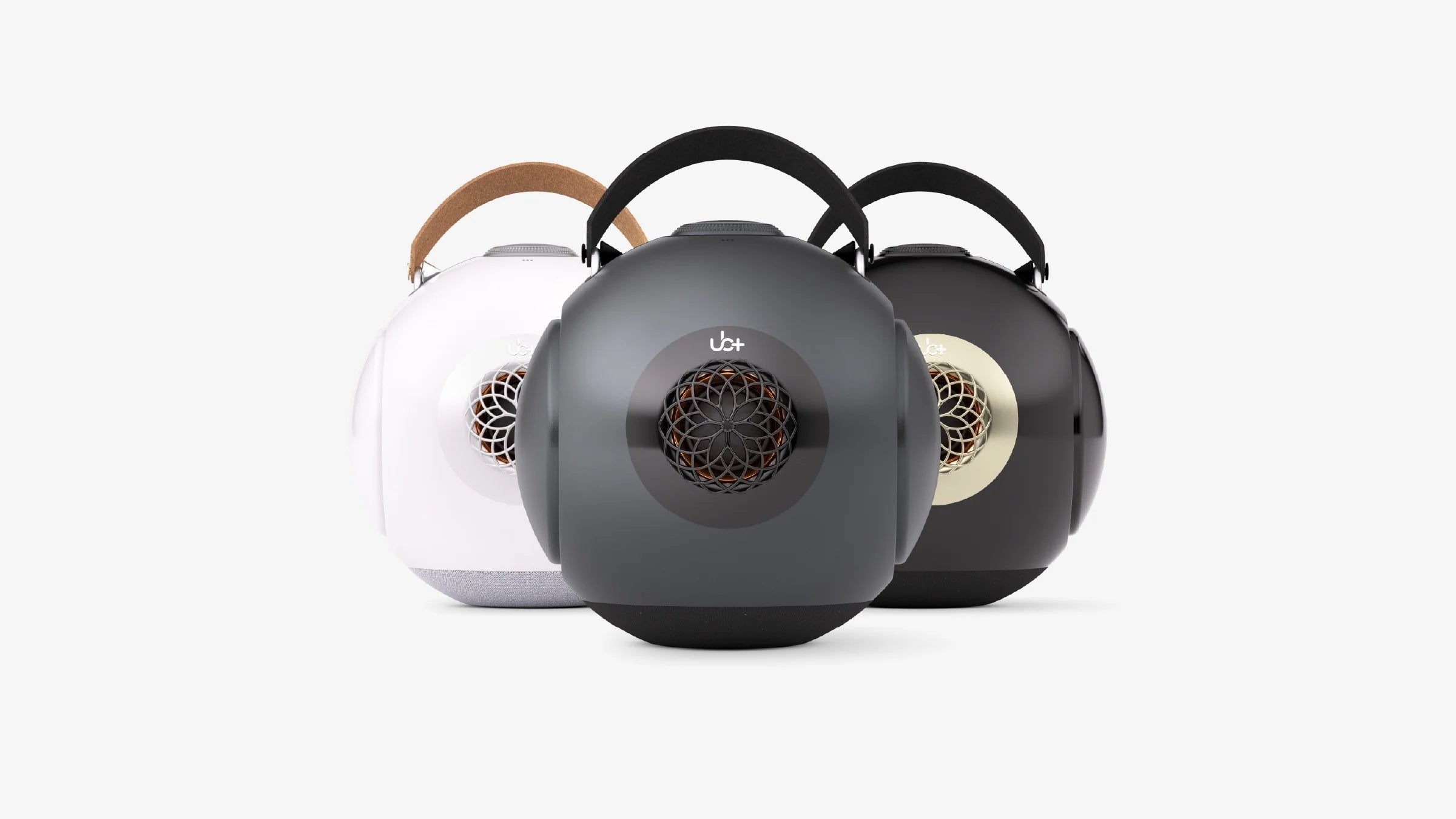
→ See color options
→ Check current price
Because great audio starts long before music begins playing.


댓글 남기기
이 사이트는 hCaptcha에 의해 보호되며, hCaptcha의 개인 정보 보호 정책 과 서비스 약관 이 적용됩니다.