
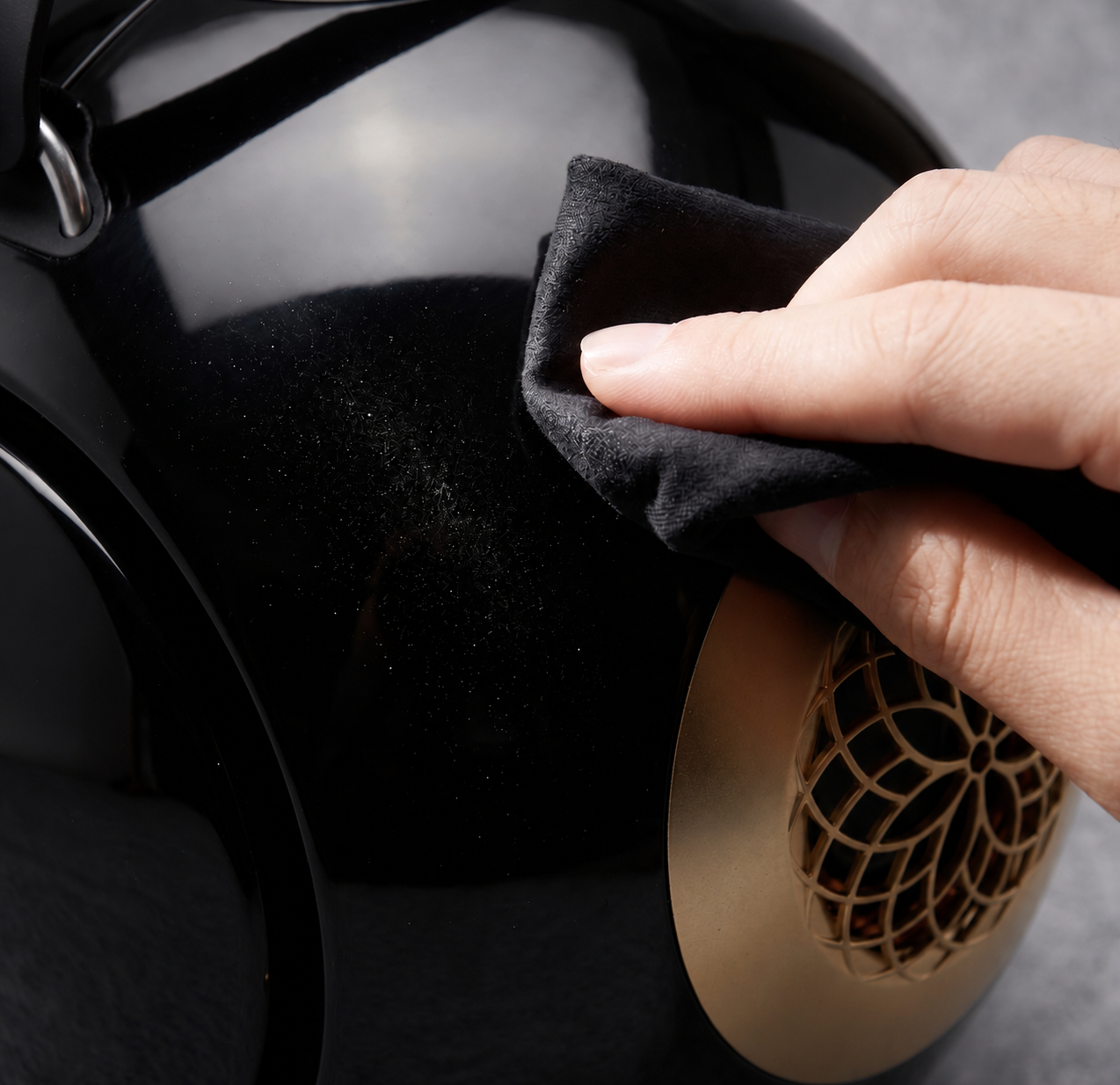
A premium speaker is more than just an audio device. Whether you own a portable bluetooth speaker, a high-end home audio system, or one of the best small bluetooth speakers on the market, its appearance is part of the ownership experience. Glossy speaker finishes can add elegance, sophistication, and a modern design aesthetic that complements contemporary living spaces.
However, glossy surfaces come with a challenge: they show fingerprints, dust, smudges, and micro-scratches much more easily than matte finishes.
Many speaker owners unknowingly damage their speakers while trying to clean them. Paper towels, household cleaners, rough cloths, and improper techniques can create permanent scratches that dull the finish over time.
The good news is that keeping a glossy speaker looking like new is relatively simple when you understand the right materials and methods.
In this guide, we'll explain how to safely clean glossy speakers, what products to avoid, how to remove fingerprints and dust without scratching the surface, and how premium designs like the UB+ dB1 DoubleBass can be maintained for years while preserving their showroom appearance.
Why Glossy Speakers Require Special Care
Gloss finishes are popular because they create a premium visual effect.
Benefits include:
- Elegant appearance
- Modern aesthetics
- Reflection of ambient light
- Luxury feel
- Better visual integration with contemporary interiors
However, glossy surfaces reveal imperfections more easily than textured finishes.
Common issues include:
- Fingerprints
- Dust buildup
- Smudges
- Hairline scratches
- Cleaning marks
Unlike matte finishes, even small mistakes during cleaning can become visible.
This is why proper maintenance matters.
Understanding How Scratches Happen
Many people assume scratches occur only from major impacts.
In reality, most surface damage happens during routine cleaning.
Common causes include:
Paper Towels
Although convenient, paper towels contain fibers that can create micro-abrasions.
Dust Wiping
Rubbing dust across a glossy surface without removing it first can drag tiny particles across the finish.
Household Cleaners
Many cleaning chemicals contain ingredients that can damage protective coatings.
Rough Fabrics
Some cloth materials are much more abrasive than they appear.
Excessive Pressure
Pressing too hard increases the risk of scratching.
The goal is not simply to clean the speaker.
The goal is to clean it safely.
Why Premium Speakers Deserve Better Maintenance
Many premium speakers are designed to become part of the room's visual environment.
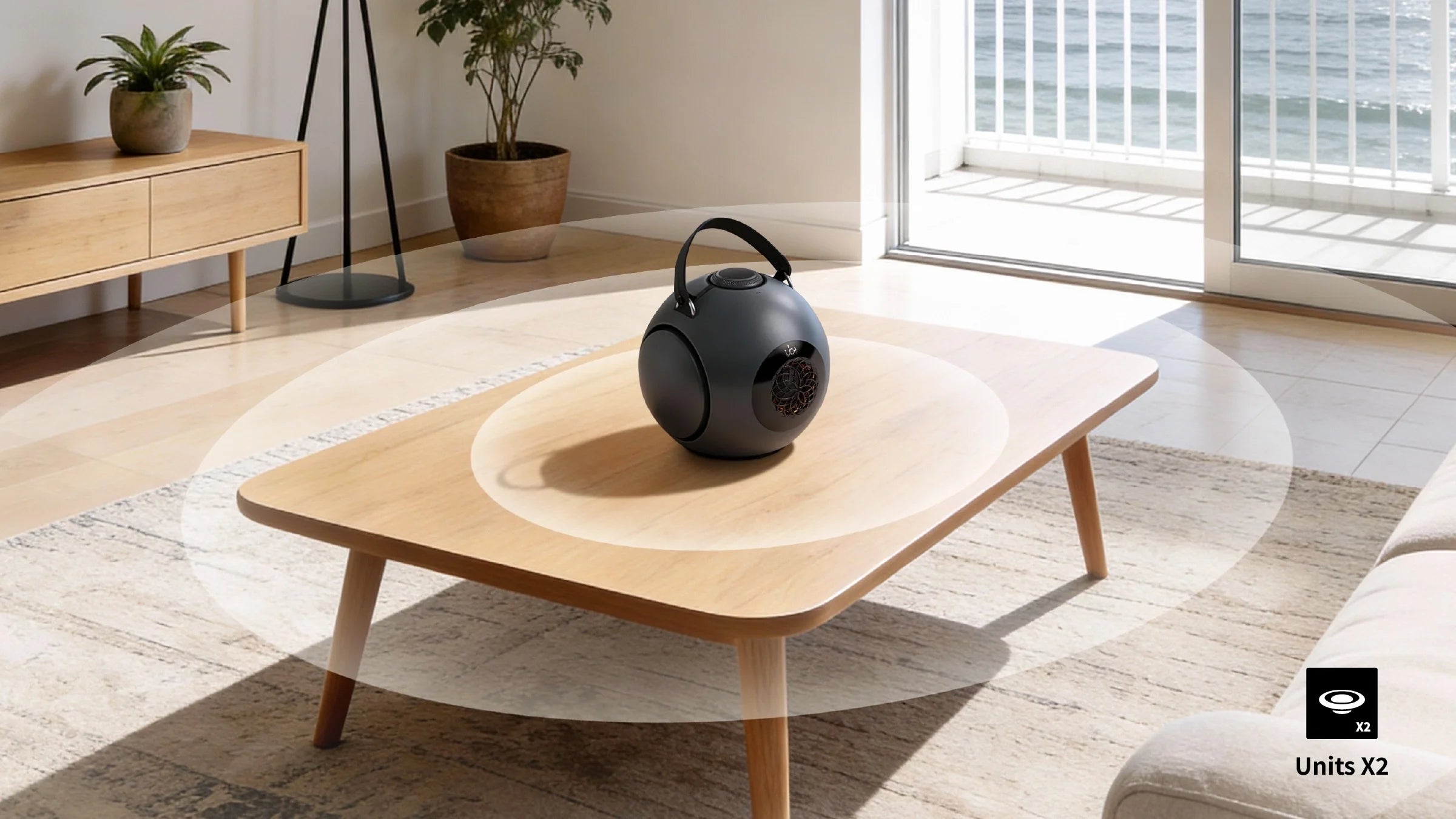
For example, the UB+ dB1 DoubleBass uses a distinctive spherical design that combines acoustic engineering with modern industrial design.
Because products like these are often displayed prominently rather than hidden away, maintaining their appearance becomes especially important.
Regular care protects both:
- Visual appeal
- Long-term value
The Materials You Need for Safe Cleaning
The good news is that proper speaker cleaning requires only a few simple tools.
High-Quality Microfiber Cloth
A soft microfiber cloth is the most important cleaning tool.
Benefits include:
- Non-abrasive fibers
- Excellent dust capture
- Reduced scratching risk
- Reusable design
Always use clean microfiber cloths.
Dirty cloths can trap particles that scratch surfaces.
Distilled Water
Distilled water helps remove fingerprints and light smudges without introducing minerals that may leave residue.
Soft Air Blower
Useful for removing loose dust before touching the surface.
Specialized Electronics Cleaner
If necessary, use a cleaner specifically designed for electronics or glossy finishes.
Always follow manufacturer recommendations.
Cleaning Products You Should Avoid
Many common cleaning products can damage speaker finishes.
Avoid:
Glass Cleaner
Often contains ammonia.
May damage coatings.
Alcohol-Based Household Cleaners
Can dull certain finishes.
Abrasive Cleaners
These can permanently scratch glossy surfaces.
Paper Towels
Common source of micro-scratches.
Rough Sponges
Too abrasive for high-gloss finishes.
Furniture Polish
May leave residue that attracts additional dust.
Step 1: Remove Loose Dust First
The biggest cleaning mistake is wiping dust directly across the surface.
Dust particles can act like tiny abrasives.
Before touching the speaker:
- Use a blower
- Use compressed air carefully
- Gently shake away loose debris
Removing dust first dramatically reduces scratching risk.
Step 2: Use a Dry Microfiber Cloth
For routine cleaning:
- Fold the microfiber cloth
- Use light pressure
- Wipe in straight lines
Avoid circular motions if possible.
Straight-line cleaning helps minimize visible marks.
Most light dust can be removed without moisture.
Step 3: Remove Fingerprints Safely
Fingerprints are common on glossy finishes.
To remove them:
- Slightly dampen a microfiber cloth
- Use distilled water only
- Wipe gently
- Follow immediately with a dry microfiber cloth
Never spray liquid directly onto the speaker.
Instead:
Apply moisture to the cloth.
Step 4: Dry the Surface Completely
Leaving moisture behind may cause:
- Streaks
- Spots
- Residue
After cleaning:
- Use a second dry microfiber cloth
- Buff lightly
- Remove any remaining moisture
This helps maintain the deep glossy appearance.
Safe vs Unsafe Cleaning Materials
|
Cleaning Material |
Safe for Glossy Speakers? |
Notes |
|
Microfiber Cloth |
Yes |
Best option |
|
Distilled Water |
Yes |
Safe for light cleaning |
|
Electronics Cleaner |
Yes |
Follow instructions |
|
Air Blower |
Yes |
Excellent for dust removal |
|
Paper Towel |
No |
Can create scratches |
|
Household Glass Cleaner |
No |
May damage finish |
|
Rough Sponge |
No |
Abrasive surface |
|
Furniture Polish |
No |
Leaves residue |
|
Abrasive Cleaners |
No |
High scratch risk |
How Often Should You Clean a Speaker?
Frequency depends on:
- Environment
- Dust levels
- Usage patterns
A general guideline:
Weekly
Light dust removal.
Monthly
Fingerprint and smudge cleaning.
Quarterly
More detailed inspection and maintenance.
Regular light cleaning is preferable to infrequent heavy cleaning.
Protecting Glossy Speakers Between Cleanings
Prevention is easier than repair.
Consider these habits:
Wash Hands Before Handling
Reduces fingerprint buildup.
Avoid Direct Sunlight
Can accelerate aging of some materials.
Keep Food and Drinks Away
Reduces accidental spills.
Minimize Frequent Touching
Most fingerprints come from unnecessary handling.
Control Dust Sources
Air filtration can reduce buildup.
Why Placement Affects Cleanliness
Where you place a speaker influences maintenance requirements.
Avoid locations near:
- Open windows
- Cooking areas
- HVAC vents
- High-traffic walkways
These areas often increase:
- Dust accumulation
- Grease exposure
- Surface contamination
Thoughtful placement helps maintain appearance.
Caring for Premium Spherical Speakers
Spherical speakers often feature continuous curved surfaces that create a sophisticated visual appearance.
Products like the UB+ dB1 DoubleBass benefit from careful cleaning because their glossy spherical enclosure is intended to function as both:
- Acoustic instrument
- Design object
Proper maintenance preserves the visual elegance that makes such products distinctive.
Why Surface Care Matters for Long-Term Ownership
Premium speakers are often long-term investments.
Unlike many consumer electronics that are replaced frequently, quality audio products may remain in use for years.
Maintaining the finish helps preserve:
- Appearance
- Pride of ownership
- Resale value
- Overall enjoyment
A well-maintained speaker continues to look as impressive as it sounds.
The Engineering Behind Premium Speaker Finishes
High-quality finishes are often paired with equally sophisticated engineering.
For example, the UB+ dB1 DoubleBass combines its glossy spherical exterior with advanced acoustic technologies including:
- Helmholtz-inspired spherical acoustic chamber
- Dual symmetrical passive radiators
- Self-cancelling vibration architecture
- Mechanical bass amplification
The enclosure serves both aesthetic and acoustic purposes.
This makes proper care even more worthwhile.
Helmholtz-Inspired Spherical Acoustic Chamber
The dB1's enclosure is more than a design statement.
Its Helmholtz-inspired spherical acoustic chamber helps:
- Reduce internal reflections
- Minimize standing waves
- Improve pressure distribution
The spherical shape contributes to both:
- Visual elegance
- Acoustic performance
Maintaining the finish preserves the beauty of this engineering achievement.
Why Cleaning Technique Matters More Than Cleaning Products
Many people search for special products.
In reality, technique matters most.
A premium cleaner used incorrectly can still damage a finish.
Conversely:
A clean microfiber cloth and careful handling often provide excellent results.
Remember:
- Remove dust first
- Use gentle pressure
- Avoid harsh chemicals
- Dry thoroughly
These principles matter more than expensive cleaning solutions.
Common Cleaning Mistakes to Avoid
Spraying Liquid Directly on the Speaker
Moisture can enter sensitive components.
Always apply liquid to the cloth.
Using Dirty Cloths
Contaminated cloths can scratch surfaces.
Cleaning Too Aggressively
Excess pressure increases risk.
Ignoring Dust
Dust should be removed before wiping.
Using Household Chemicals
Many are unsuitable for electronics.
Avoiding these mistakes significantly reduces damage risk.
Proper Care vs Improper Care
|
Maintenance Habit |
Long-Term Result |
|
Microfiber Cleaning |
Preserves Gloss |
|
Dust Removal First |
Reduces Scratches |
|
Gentle Pressure |
Protects Finish |
|
Distilled Water Use |
Prevents Residue |
|
Paper Towel Cleaning |
Micro-Scratches |
|
Harsh Chemicals |
Surface Damage |
|
Rough Cloth Use |
Visible Abrasions |
|
Direct Spray Cleaning |
Potential Component Damage |
Why Design-Focused Speakers Need Consistent Care
Modern speakers increasingly function as visible design elements.
Unlike older speakers hidden behind furniture, many premium models occupy prominent positions.
This trend makes maintenance more important than ever.
A clean speaker contributes positively to:
- Interior design
- Overall room aesthetics
- Ownership satisfaction
Small maintenance efforts produce significant long-term benefits.
Final Thoughts
Keeping a glossy speaker looking pristine is not difficult, but it does require the right approach.
Whether you own a portable bluetooth speaker, wireless bluetooth speaker, rechargeable bluetooth speaker, or one of today's best sounding bluetooth speaker options, proper cleaning techniques help preserve both appearance and value.
The key principles are simple:
- Remove dust first
- Use microfiber cloths
- Avoid abrasive materials
- Use gentle pressure
- Avoid harsh chemicals
- Dry surfaces completely
For premium products such as the UB+ dB1 DoubleBass, these habits protect a design that combines sophisticated aesthetics with advanced acoustic engineering, including:
- Helmholtz-inspired spherical acoustic chamber
- Dual symmetrical passive radiators
- 3.5× passive radiator surface area
- Mechanical bass amplification
- Self-cancelling vibration architecture
- 90mm neodymium magnet
- 35mm long-stroke voice coil
- 20mm piston movement
- Aluminum shorting ring
- Extra-wide 18mm surround
A speaker should continue to look as impressive as it sounds. With proper care, a premium glossy finish can remain beautiful for many years.
Frequently Asked Questions
What is the safest cloth for cleaning a glossy speaker?
A high-quality microfiber cloth is generally the safest option. Its soft fibers help remove dust and fingerprints without creating scratches. Always ensure the cloth is clean before use because trapped particles can still damage the surface.
Can I use glass cleaner on my speaker?
It is usually best to avoid standard household glass cleaners. Many contain ammonia or other chemicals that may damage coatings, leave residue, or dull glossy finishes over time. Electronics-safe cleaning products are a better choice.
How do I remove fingerprints from a glossy speaker?
Lightly dampen a microfiber cloth with distilled water and gently wipe the affected area. Follow immediately with a dry microfiber cloth to remove moisture and prevent streaks. Never spray liquid directly onto the speaker.
How often should I clean my speaker?
Light dust removal can be performed weekly, while deeper cleaning for fingerprints and smudges can be done monthly. Regular maintenance helps prevent buildup and reduces the need for aggressive cleaning later.
Can scratches be removed from glossy speaker surfaces?
Minor micro-scratches may sometimes be reduced using specialized polishing products designed for the specific finish. However, prevention is far safer than correction. Using proper cleaning methods from the beginning is the best way to preserve the speaker's appearance.
Keep Your Speaker Looking as Premium as It Sounds
Looking for a best portable bluetooth speaker, wireless bluetooth speaker, or best sounding bluetooth speaker that combines stunning design with advanced acoustic engineering?
Explore the UB+ dB1 DoubleBass and discover:
✓ Helmholtz-inspired spherical acoustic chamber
✓ Dual symmetrical passive radiators
✓ Mechanical bass amplification
✓ Self-cancelling vibration architecture
✓ 3.5× passive radiator surface area
✓ Premium glossy spherical design
✓ Physics-driven acoustic performance
✓ Built to be seen as well as heard



Laisser un commentaire
Ce site est protégé par hCaptcha, et la Politique de confidentialité et les Conditions de service de hCaptcha s’appliquent.