
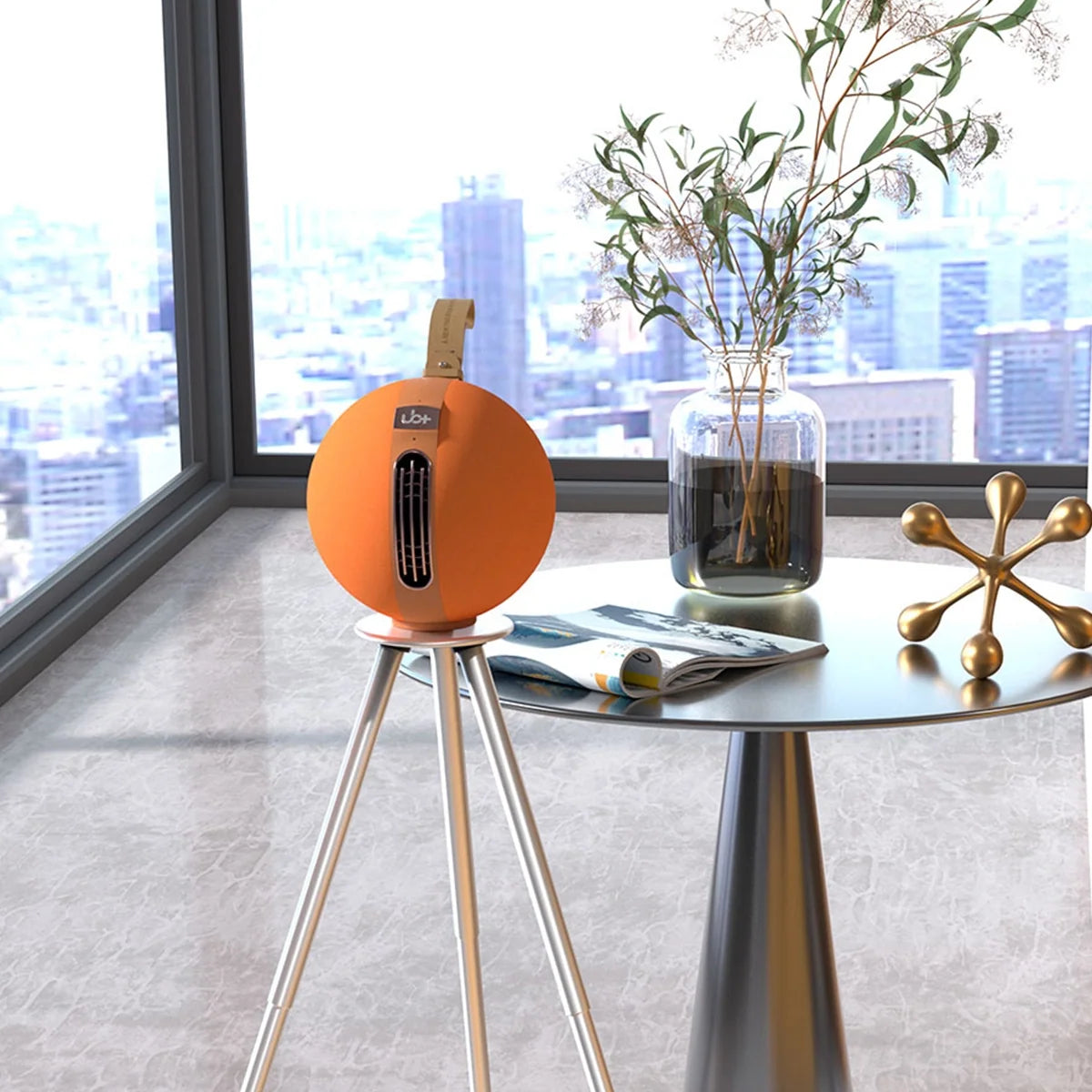
Choosing a speaker for your home involves more than comparing product names or selecting a design that looks attractive on a shelf. The right speaker should complement the room, suit your listening habits, and fit naturally into your everyday environment. That becomes especially important when comparing two design-led options from the UB+ range: the UB+ S1 Circle and the UB+ S2 Alphorn.
Both models offer buyers distinctive design options, but selecting between them requires looking beyond appearance. Room dimensions, available placement space, listening distance, acoustic requirements, connectivity, and personal design preferences all influence the final decision.
This s1 circle vs s2 alphorn comparison explores how to evaluate both UB+ models for different home environments. It also explains which specifications deserve attention before purchasing, how room layout affects speaker placement, and why buyers should compare verified product information rather than assume that similar design characteristics mean identical audio performance.
Why the Right Speaker Should Match Your Room

A speaker can look impressive in a product photograph but feel out of place when it becomes part of a real room. Its physical footprint, position, sound dispersion, and relationship with nearby surfaces all influence the listening experience.
For example, a speaker positioned on a compact bedside table has different requirements from one placed on a living-room console. A desktop speaker may serve someone sitting directly in front of it, while a speaker in an open living area may need to accommodate listeners sitting at different distances and angles.
When evaluating the UB+ S1 Circle and UB+ S2 Alphorn, begin with the environment where you plan to use the speaker.
Consider these factors:
- Available surface area: Measure the shelf, table, console, or other location where the speaker will sit. Check the official product dimensions rather than estimating its footprint from photographs.
- Listening distance: Consider whether you usually listen from a desk, sofa, dining area, or different positions throughout the room.
- Room arrangement: Open layouts, narrow spaces, and rooms with large furniture surfaces can create different placement challenges.
- Visual balance: Think about how the speaker's proportions, finish, and overall design will complement the surrounding furniture.
- Listening habits: Background music, focused listening, social gatherings, and everyday entertainment can create different audio requirements.
- Movement and accessibility: Consider whether the speaker will remain in one location or need to be moved between different rooms.
A good room match begins with practical measurements and listening priorities. Product appearance is important, but it should support the decision rather than replace an evaluation of the speaker's actual specifications.
Understanding the UB+ S1 Circle and S2 Alphorn


The first step in this comparison is understanding what you are evaluating. The UB+ S1 Circle and UB+ S2 Alphorn are separate models in the UB+ speaker range. Buyers should assess each one using its own product information rather than assuming that both share the same internal acoustic construction.
UB+ S1 Circle: A Design-Led Speaker to Consider

The UB+ S1 Circle is an option for buyers exploring the round-speaker category and looking for a speaker that can become part of their interior environment.
A speaker's exterior design can influence where it fits best. A well-considered shape and finish may complement a desk, bedside table, bookshelf, or living-room console. However, the visual design should work alongside practical requirements such as dimensions, clearance, connectivity, and listening position.
When evaluating the UB+ S1 Circle, focus on the following:
- Physical dimensions: Compare the listed measurements with the surface where you intend to place the speaker.
- Design compatibility: Consider whether its appearance complements your existing furniture, materials, and color palette.
- Acoustic specifications: Review the published driver configuration and performance information instead of assuming sound characteristics from its exterior shape.
- Connectivity: Confirm that its supported connections work with your phone, computer, tablet, or other listening devices.
- Placement requirements: Check whether the intended location provides enough clearance and avoids obstructing the speaker's acoustic openings.
The S1 Circle product page provides the model-specific information you should use when assessing its suitability.
UB+ S2 Alphorn: Another Distinct Option for Your Interior

The UB+ S2 Alphorn offers another choice within the UB+ speaker range. Buyers comparing these two models should evaluate its own design, dimensions, published specifications, and intended use independently.
A different model name or exterior appearance does not automatically establish differences in loudness, bass extension, driver performance, or soundstage. Those characteristics require technical information and, where possible, direct listening comparisons.
When considering the UB+ S2 Alphorn, pay attention to:
- Dimensions and footprint: Determine whether the speaker fits comfortably into your preferred room arrangement.
- Documented acoustic performance: Review its listed specifications and driver information before making assumptions about sound output.
- Exterior design: Think about how its proportions and finish work with your room's existing interior style.
- Connectivity and usability: Check whether its supported connections meet your everyday listening requirements.
- Manufacturer guidance: Review any product-specific recommendations for placement, operation, and care.
Visit the official S2 Alphorn product page to check its current product details.
S1 Circle vs S2 Alphorn: The Main Buying Considerations
A useful comparison should go beyond the exterior appearance of two products. A speaker that fits beautifully into a room may not be suitable for someone's listening requirements, while a technically capable model may not work well with the available space.
The following table highlights the main factors to compare before selecting between the UB+ S1 Circle and UB+ S2 Alphorn.
|
Comparison factor |
||
|
Product identity |
A distinct model in the UB+ speaker range |
A separate model in the UB+ speaker range |
|
Design evaluation |
Review its documented exterior design and proportions |
Review its documented exterior design and proportions |
|
Room compatibility |
Match its official measurements to your available space |
Match its official measurements to your available space |
|
Acoustic performance |
Evaluate its own published acoustic specifications |
Evaluate its own published acoustic specifications |
|
Placement |
Follow its product-specific placement guidance |
Follow its product-specific placement guidance |
|
Connectivity |
Confirm supported connections on its official listing |
Confirm supported connections on its official listing |
|
Buying priority |
Select it when its verified features suit your room and preferences |
Select it when its verified features suit your room and preferences |
This comparison deliberately separates the models' identities from technical claims that must be verified. It is more useful to compare documented product information than to assume one model produces deeper bass, greater output, or wider sound dispersion without supporting measurements.
Which Specifications Deserve the Most Attention?
Some product specifications are more useful than others, depending on how and where the speaker will be used.
For a permanent bedroom or living-room setup, physical dimensions, acoustic performance, and connectivity may be the most important factors. For someone who frequently moves a speaker between rooms, weight, portability, and power requirements may deserve more attention.
A practical evaluation should include:
- Frequency response: Helps you understand the published range of frequencies the speaker is designed to reproduce.
- Maximum SPL: Provides information about its sound-pressure output capability.
- Driver configuration: Explains how the speaker is designed to reproduce different parts of the audio spectrum.
- Amplification and power: Offers insight into the speaker's amplification system.
- Connectivity: Determines whether it supports the devices and connection methods you regularly use.
- Dimensions and weight: Helps establish whether the speaker is appropriate for your intended placement.
No single specification tells the complete story. A balanced decision considers how these details work together.
Which Model Is More Suitable for a Small Room?
Small rooms require careful speaker selection because available placement options are often limited. A desk, bedside table, bookshelf, or compact media console may be the only practical location.
In these environments, physical dimensions matter. A speaker should have enough clearance around it and should not interfere with everyday activities. Placing a large object on an already crowded surface can make the room feel less comfortable, even when the speaker itself has an attractive design.
When comparing the UB+ S1 Circle and UB+ S2 Alphorn for a smaller room, use this approach:
- Measure the intended surface before checking either product.
- Compare the official height, width, depth, and weight of both models.
- Check whether the manufacturer specifies clearance around any driver or acoustic opening.
- Consider whether the speaker's position will be obstructed by a monitor, books, furniture, or decorative objects.
- Think about your main listening position and whether the speaker can be placed without creating unnecessary obstacles.
- Check whether the speaker's connectivity supports the devices you already use in the room.
For a compact bedroom or workspace, the better choice is the model that fits comfortably while meeting your listening needs. Do not choose a speaker solely because its exterior looks smaller or more visually minimal in a photograph.
Room size also affects the way sound is perceived. A compact room can create noticeable reflections and bass build-up depending on the placement and surrounding surfaces. A speaker positioned too close to a wall or corner may produce a different tonal balance from one placed with more clearance.
For additional guidance, read our article on Bluetooth speakers for small apartments and room-filling sound.
Which Model Makes More Sense for a Larger Living Room?
A larger living room creates a different set of requirements. The main listening position may be farther from the speaker, furniture may be distributed across a wider area, and music may need to reach listeners sitting in different parts of the room.
However, a larger room does not automatically require the physically largest speaker. Output capability, frequency response, dispersion, and placement all matter. A speaker's exterior dimensions alone cannot establish how effectively it will fill a room.
When evaluating the UB+ S1 Circle and UB+ S2 Alphorn for a living-room setup, consider:
- Listening distance: How far will listeners usually sit from the speaker?
- Room layout: Is the room narrow, wide, open-plan, or divided into separate areas?
- Sound distribution: Check the manufacturer's information about driver orientation and dispersion.
- Acoustic environment: Hard floors, glass, bare walls, and large reflective surfaces can influence perceived sound.
- Listening level: Consider whether you mainly want comfortable background music or higher playback levels.
- Furniture arrangement: Determine whether the speaker will have a clear acoustic path to the main listening area.
For a larger space, carefully review the published output and acoustic specifications of both models. If neither model's documented performance matches the requirements of your room, another option in the UB+ range may be more appropriate.
The goal is not to fill every corner with maximum volume. It is to choose a speaker that provides a suitable listening experience at the distances and levels you actually use.
How Speaker Placement Changes the Listening Experience
A speaker's performance is influenced by more than its internal components. The surrounding room, supporting surface, distance from walls, and position relative to listeners can all affect what people hear.
For example, placing a speaker close to a wall may change the amount of bass perceived in the listening position. A corner can provide additional low-frequency reinforcement, but that reinforcement may not always sound balanced. Meanwhile, positioning a speaker behind objects can obstruct parts of its sound output.
These principles matter when deciding where to place the UB+ S1 Circle or UB+ S2 Alphorn.
Give the Speaker Enough Space
Avoid choosing a location simply because it is convenient. Consider whether the speaker has adequate clearance and whether the manufacturer's placement recommendations are being followed.
A few practical guidelines:
- Avoid covering acoustic openings or driver areas.
- Do not place the speaker behind thick decorative objects.
- Keep it on a stable surface that can support its weight.
- Avoid positioning it where everyday movement could cause it to fall.
- Check whether nearby walls or furniture noticeably affect the sound.
- Test more than one location before deciding on a permanent setup.
These small adjustments can make a meaningful difference to everyday usability.
Consider the Room's Acoustic Characteristics
A room with rugs, curtains, upholstered furniture, and bookshelves interacts with sound differently from a room dominated by glass, tile, and bare walls.
Reflective surfaces can contribute to excessive brightness or uneven reflections, while some room layouts may create bass build-up in particular listening positions. Furniture and soft furnishings also influence how sound travels and is perceived throughout the space.
When comparing the UB+ S1 Circle with the UB+ S2 Alphorn, remember that room acoustics can influence the result independently of the speaker's design.
Our guide to room acoustics and why speakers sound different in different spaces explains why placement and room characteristics deserve attention during speaker selection.
Think About Listening From Multiple Positions
A speaker used beside a desk may mainly serve one person sitting directly in front of it. A speaker in a living room may need to serve several people spread across a sofa or seating area.
This difference makes dispersion an important specification to review. Do not assume that a round exterior guarantees identical sound coverage in every direction or across every frequency. The actual result depends on the speaker's driver arrangement, acoustic design, and frequency.
For a better understanding of this subject, read 360-degree versus front-firing speakers.
Design and Interior Compatibility: More Than a Decorative Choice
A speaker is often one of the few electronic devices that remains visible in a living space throughout the day. Its shape, finish, proportions, and placement can influence how the room feels.
This is one reason design-led speakers attract buyers who care about both audio and interiors. A carefully selected speaker can become a functional part of the room rather than an object that needs to be hidden when it is not being used.
When comparing the UB+ S1 Circle and UB+ S2 Alphorn, evaluate the actual product images, available finishes, and measurements rather than relying only on their model names.
Consider these design questions:
- Does the model complement the room's furniture and color palette?
- Will its dimensions look balanced on the intended surface?
- Does its design work with the room's existing decorative style?
- Will its placement remain practical when the room is being used?
- Does it look appropriate in both everyday and social settings?
- Can you position it where it is visually appealing without obstructing its sound output?
A speaker's appearance should support the room rather than dictate how the entire room is arranged.
Matching a Speaker With Different Interior Styles
Different interiors create different visual environments. A minimalist room may benefit from a speaker with clean proportions and an understated finish. A more expressive living space may accommodate a distinctive design that becomes a visible part of the room.
The decision should also account for the speaker's surroundings. A product placed on an open shelf may become a visual focal point, while one positioned beside a monitor or television may need to fit more discreetly into the arrangement.
Explore our article on spherical speakers and modern home audio for more insight into how speaker design can complement contemporary interiors.
You can also read about designer speakers versus regular speakers to understand why materials, proportions, and industrial design are relevant to the overall buying decision.
Technical Specifications Buyers Should Compare Before Purchasing
The most important part of a product comparison is separating appearance from measurable performance. A distinctive cabinet shape can make a speaker recognizable, but it does not independently tell you how low it plays, how loud it can operate, or how accurately it reproduces different frequencies.
Before purchasing either the UB+ S1 Circle or UB+ S2 Alphorn, check the product pages for the following details.
|
Technical specification |
Why it matters |
|
Driver configuration |
Shows how the speaker is designed to reproduce different parts of the audio spectrum |
|
Frequency response |
Indicates the published range of frequencies the speaker is designed to reproduce |
|
Maximum sound pressure level |
Helps evaluate output capability at higher listening levels |
|
Power and amplification |
Provides information about the speaker's amplification system |
|
Battery capacity or playback time |
Matters when the speaker will be used away from a power outlet |
|
Bluetooth version and supported connections |
Determines compatibility and available connection options |
|
Dimensions and weight |
Helps establish whether the speaker suits the intended room and surface |
|
Water-resistance rating |
Important when the speaker may be exposed to splashes or moisture |
Not every specification has the same importance for every buyer. Someone choosing a permanent living-room setup may prioritize dimensions, acoustic performance, and connectivity. Someone who frequently moves a speaker between rooms may pay more attention to weight, battery performance, and portability.
It is also important to understand what the specifications do not tell you. A frequency-response range does not independently establish how evenly the speaker reproduces every frequency. A maximum SPL figure does not describe the quality of the sound at every listening level. Similarly, a Bluetooth version alone does not guarantee a particular listening experience because the source device, codec support, and implementation can also matter.
The most reliable approach is to combine published specifications with room requirements and, where practical, a direct listening test.
Where the Other UB+ Models Fit Into the Decision
The UB+ S1 Circle and UB+ S2 Alphorn are not the only options in the UB+ range. Buyers comparing round speakers may also benefit from understanding how the other models fit into different listening priorities.
UB+ dB1 DoubleBass: A Different Approach to Bass Engineering
The UB+ dB1 DoubleBass is particularly relevant for buyers interested in the engineering behind bass reproduction.
Its design uses a spherical acoustic enclosure inspired by the Helmholtz resonator principle. The central mid-bass driver works with two opposing passive-radiator plates, creating a mechanical system intended to move air efficiently while helping counterbalance certain enclosure forces.
Important dB1-specific design details include:
- A central 4.5-inch mid-bass driver.
- A Helmholtz-Inspired Chamber.
- Two symmetrical passive-radiator plates.
- Combined passive-radiator surface area of approximately 3.5 times the woofer area.
- DSP-supported tuning for tonal balance and driver protection.
This architecture makes the dB1 a useful alternative to consider when bass design is a major part of the buying decision. These features belong specifically to the dB1 and should not be assumed to describe the UB+ S1 Circle or UB+ S2 Alphorn.
UB+ dB Mini: Another Option in the Product Range
The UB+ dB Mini is another model worth considering for buyers exploring the wider UB+ collection.
Its inclusion is useful because some customers may prefer to evaluate more than two products before committing to a particular room setup. Review its official product information to determine whether its dimensions, design, and documented features better suit your intended space.
Comparing the Four UB+ Models
A wider product comparison can help buyers identify the model that aligns most closely with their priorities. Rather than assuming that all four products share the same acoustic construction, evaluate each model using its own product description and specifications.
|
UB+ model |
What to examine before choosing |
|
Design, dimensions, acoustic specifications, and room compatibility |
|
|
Design, dimensions, acoustic specifications, and room compatibility |
|
|
Spherical acoustic architecture, bass reproduction, and published performance |
|
|
Dimensions, intended use, and documented product features |
This broader view helps prevent a common buying mistake: choosing a product based on one attractive feature while overlooking the actual requirements of the room.
Explore the complete UB+ speaker collection to review the available models.
A Practical Buying Checklist Before You Choose
Before deciding between the UB+ S1 Circle and UB+ S2 Alphorn, assess your room and compare the official product information side by side.
Room Measurements
- Measure the available width, height, and depth.
- Identify the surface where the speaker will be placed.
- Check whether other objects could obstruct it.
- Confirm that the supporting furniture can safely hold the speaker.
- Leave enough clearance for the product to be positioned as recommended.
Listening Requirements
- Decide whether the speaker will be used mainly for background music or focused listening.
- Consider how far away listeners will normally sit.
- Determine whether one listening position or several positions need coverage.
- Compare the published frequency response and output specifications.
- Consider whether you need a speaker for everyday listening, social occasions, or both.
Everyday Usability
- Review supported Bluetooth and wired connections.
- Check battery information if portability matters.
- Review any water-resistance rating if the speaker will be used in a moisture-prone environment.
- Consider how easily the speaker can be moved or repositioned.
- Make sure its supported connections work with your existing devices.
Design Compatibility
- Compare the actual product dimensions.
- Check the available color and finish options.
- Consider how the speaker will look alongside existing furniture.
- Choose a location where the design can be appreciated without compromising placement.
- Think about whether the speaker will remain visually suitable as your room arrangement changes.
A few minutes spent reviewing these points can make the difference between buying a speaker that simply looks attractive and choosing one that works naturally in your space.
Which UB+ Speaker Should You Choose?
The choice between the UB+ S1 Circle and UB+ S2 Alphorn should come down to the specifications and design characteristics that best match your room.
There is no reliable reason to declare one model the better performer without comparing its verified acoustic measurements, driver configurations, dimensions, and intended use. A meaningful decision should be based on those details rather than assumptions about model names or exterior appearance.
Use this decision process:
- Choose the UB+ S1 Circle when its verified dimensions, design, features, and published acoustic performance match your room and listening preferences.
- Choose the UB+ S2 Alphorn when its verified dimensions, design, features, and published acoustic performance are a better match for your intended setup.
- Consider the UB+ dB1 DoubleBass when its specific spherical acoustic architecture and bass-oriented design are priorities.
- Explore the UB+ dB Mini when you want to compare another UB+ option using its own documented features.
The best s1 circle vs s2 alphorn decision is ultimately the one that balances physical fit, listening requirements, visual compatibility, and verified product performance.
Before making your final choice, compare the official UB+ S1 Circle and UB+ S2 Alphorn product pages. Reviewing their current details side by side will help you identify the model that fits your room and expectations.
Frequently Asked Questions
Is the UB+ S1 Circle better than the UB+ S2 Alphorn?
Neither model should automatically be considered better without comparing its published specifications and intended use. The right choice depends on room dimensions, placement, acoustic requirements, design preferences, and the features listed for each product. Buyers should review the S1 Circle product information and S2 Alphorn product information before deciding.
Which UB+ speaker is more suitable for a small room?
The most suitable model is the one whose verified dimensions and acoustic performance match the available space and listening distance. Measure the intended placement area and compare the specifications of the UB+ S1 Circle and UB+ S2 Alphorn before deciding.
Do round speakers automatically provide 360-degree sound?
No. A round exterior does not guarantee uniform 360-degree dispersion. Sound coverage depends on driver orientation, acoustic design, frequency, and the surrounding environment. Review the manufacturer's specifications instead of relying on cabinet shape alone.
What should I compare between the S1 Circle and S2 Alphorn?
Start with dimensions, driver configuration, frequency response, maximum sound pressure level, connectivity, power or battery information, and available placement guidance. These details offer a more useful comparison than appearance alone. The official S1 Circle and S2 Alphorn product pages are the best starting points for checking their respective specifications.
Can I use a UB+ speaker in different rooms?
That depends on the individual model's dimensions, weight, power requirements, connectivity, and portability features. Check the official product information to understand which placement and usage options are supported. Also consider whether moving the speaker between rooms will affect its access to a power source or the devices you use to play music.
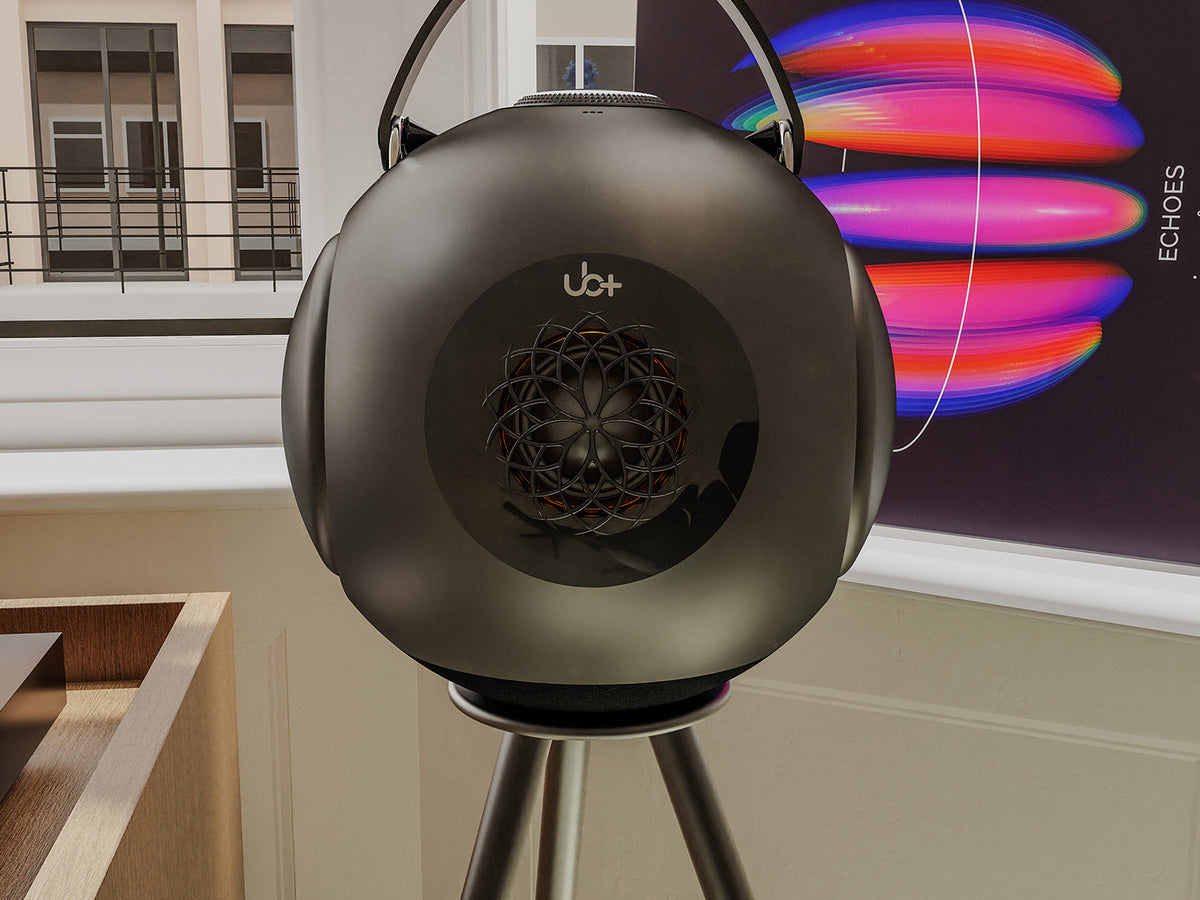


发表评论
此站点受 hCaptcha 保护,并且 hCaptcha 隐私政策和服务条款适用。